The psychology of bluffing
Bluffing is a crucial aspect of casino poker that blends strategic thinking with psychological insight. To effectively bluff, a player must understand not only their own motivations but also the mentality of their opponents. This involves recognizing tells—subtle cues that indicate whether a player is confident or anxious about their hand. By carefully observing these behaviors, you can determine the right moment to execute a bluff, thus enhancing your chances of taking down the pot. In addition to skill, knowing the best nz online casino options available can also influence your overall strategy. The ability to decode opponents’ emotional states can lead to significant advantages in deciding when to bluff.
The psychology of bluffing extends to the concept of risk and reward. A successful bluff can yield substantial rewards, but it requires a calculated risk. Players must gauge the stakes of the game and evaluate whether risking chips on a bluff is worth it in the context of their overall strategy. This assessment can depend heavily on various factors such as table dynamics, stack sizes, and the specific characteristics of opponents. Understanding when your opponents are likely to fold can make the difference between a successful and a disastrous bluff.
Moreover, the emotional aspect of poker plays a significant role in bluffing. Players can experience a range of emotions from excitement to fear, which can cloud judgment. Recognizing these emotional responses in both oneself and one’s opponents can provide insight into when to bluff or fold. Mastering this psychological layer not only provides a competitive edge but also makes the game more thrilling and strategic, allowing for deeper engagement with the art of play. Fine-tuning your emotional intelligence at the table can elevate your overall game.
Techniques for effective bluffing
There are numerous techniques that players can employ to enhance their bluffing prowess. One common method is the semi-bluff, which occurs when a player bets with a hand that has the potential to improve. This strategy allows a player to maintain credibility in their bluff while also having the option to win if the hand develops favorably. Successfully executing a semi-bluff requires an intricate understanding of both your own hand’s potential and your opponents’ reactions to various scenarios on the board. This dual-purpose approach can effectively confuse opponents and protect your chips.
Timing is another essential element in the bluffing toolkit. Knowing when to bluff is as important as knowing how to do it. A well-timed bluff can catch opponents off guard, especially when they least expect it. This might involve bluffing on the river after observing weakness from other players in previous betting rounds. Players should also be aware of table image—how they are perceived by others. If your image is that of a tight player, opponents are more likely to fold when you make a bold move, enhancing the bluff’s effectiveness. Timing, therefore, can be as strategic as the bluff itself.

Additionally, controlling your betting patterns can significantly influence your bluffing strategy. By varying your bet sizing, you can create an illusion that your hand is stronger or weaker than it truly is. For example, a large bet may signal strength, while a smaller bet might induce curiosity or suspicion. Understanding how to manipulate these dynamics allows you to remain unpredictable, making it challenging for opponents to accurately assess your hand and intentions. A well-structured betting pattern can mask your true strategy and keep your opponents guessing.
Reading your opponents
Successful bluffing isn’t just about your own strategy; it heavily relies on reading your opponents. Each player at the table brings a unique set of tendencies and emotional responses to the game. By paying attention to how they react to different situations, you can begin to form a psychological profile that informs your bluffing decisions. For instance, some players might be more prone to fold under pressure, while others may never back down, no matter the circumstances. The ability to adapt your strategy based on these observations can greatly increase your success rate.
A practical approach to this process is to observe betting patterns. If a player consistently raises pre-flop but tends to fold in later rounds, this can indicate weakness during the post-flop stage. Similarly, an opponent who suddenly becomes engaged and aggressive might be trying to mask a strong hand or scare off competition. Learning to identify these signals can give you the confidence to bluff effectively when you sense weakness. Recognizing these patterns helps you build a mental database that can be referenced in future hands.
Furthermore, the art of reading opponents extends beyond just their actions. The social dynamics around the table—the way they chat, how comfortable they are, and their body language—can all provide valuable insights. For instance, a player who avoids eye contact or fidgets may be hiding uncertainty about their hand. By synthesizing these observations, you create a comprehensive view of the game’s psychological landscape, which is invaluable for executing successful bluffs. The more you can understand your opponents on a psychological level, the more strategic your bluffing can become.
The balance of risk and reward
In casino poker, mastering bluffing is not merely about trickery; it is about managing the delicate balance of risk and reward. Each decision to bluff carries inherent risks that could impact your chip stack and overall positioning in the game. Players must assess the current dynamics, including pot odds, their stack size in relation to others, and the likelihood that their bluff will succeed. Understanding these factors can help to mitigate risks and maximize potential rewards. Careful calculation is essential for turning the odds in your favor.
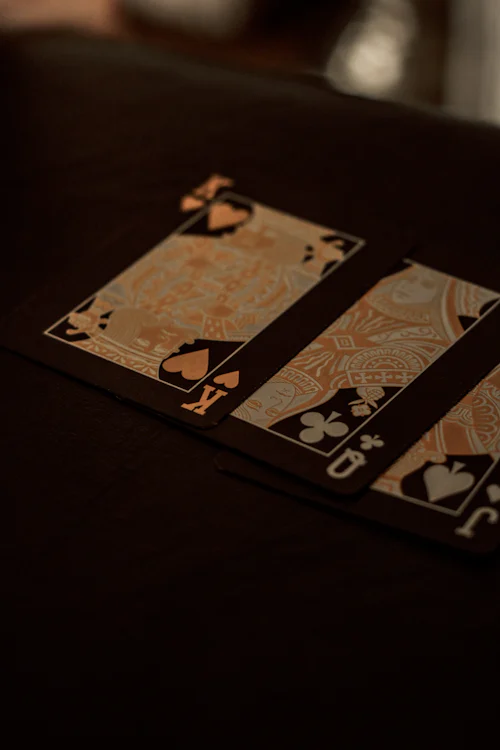
Another aspect of balancing risk is evaluating your own hand strength alongside the potential of the community cards. A strong understanding of poker odds and probabilities can aid in determining whether a bluff is a worthwhile endeavor. If the board presents favorable conditions for a bluff—like a potential straight or flush that only you seem to be capable of making—you’re likely to achieve better results than a seemingly random bluff with little backing. This strategic approach helps in aligning your actions with the game’s mathematical principles.
Lastly, managing your table image plays a crucial role in maintaining the balance between risk and reward. If you’ve been playing aggressively, a sudden attempt at bluffing may be met with suspicion and resistance. On the other hand, if you’ve established yourself as a conservative player, your bluffs may be more effective. Finding harmony in your overall strategy enhances not only your ability to bluff but also your overall success at the table. By cultivating a consistent table image, you can manipulate the perceptions of your opponents to your advantage.
Your go-to resource for poker strategies
When it comes to mastering the intricacies of casino poker, having the right resources at your disposal can make all the difference. For those looking to deepen their understanding of poker strategies, many platforms offer extensive guides, tutorials, and community discussions centered on various aspects of the game. These resources can provide insights not only into bluffing but also into other essential strategies that can elevate your overall play. Engaging with these materials can enhance your learning curve and accelerate your skill development.
In addition to learning about bluffing techniques, exploring broader gaming strategies can significantly improve your performance. Understanding different styles of play, managing your bankroll efficiently, and honing your decision-making skills are all crucial components that contribute to success. Resources that focus on practical tips, as well as theoretical knowledge, are essential for anyone serious about enhancing their skills in poker. The more diverse your learning sources, the more adaptable you can become in various game scenarios.
Overall, investing time in research and community engagement helps cultivate a deeper appreciation and understanding of poker. Whether you’re looking to refine your bluffing skills or explore advanced strategies, utilizing comprehensive resources can guide you on your journey to becoming a more proficient player. As you continue to learn and grow, you’ll find that mastering the art of bluffing—and poker as a whole—can be a gratifying experience that enriches your gameplay for years to come. The journey of learning poker is as rewarding as the game itself, and continual improvement is key to long-term success.